


Choosing skincare ingredients when your skin reacts to almost everything feels like navigating a minefield. One wrong formula and you’re dealing with redness, tightness, or a full-blown flare. The problem isn’t just finding something gentle. It’s finding something that actually works while being completely transparent about what’s inside. Your skin barrier is your first line of defense, and every ingredient you apply either supports it or sets it back. This article cuts through the noise with evidence-based criteria, ingredient-level science, and practical guidance so you can build a routine that genuinely strengthens and protects sensitive skin.
Table of Contents
- Criteria for choosing ingredients in sensitive skin care
- Ceramides and barrier lipids: Foundation for sensitive skin health
- Humectants: Hyaluronic acid and glycerin for gentle hydration
- Mineral sunscreen and situational actives: Protection without irritation
- The uncomfortable truth about sensitive skin ingredient lists
- Find premium barrier-supportive solutions with Equanimist
- Frequently asked questions
Key Takeaways
| Point | Details |
|---|---|
| Barrier repair matters | Ceramides and lipids are essential for restoring and protecting sensitive skin. |
| Gentle hydration is key | Humectants like hyaluronic acid and glycerin hydrate deeply without irritation. |
| Simplicity prevents overload | Minimal, transparent ingredient lists outperform complicated formulas for sensitive skin. |
| Sun protection is vital | Mineral sunscreens like zinc oxide prevent irritation and safeguard skin health. |
Criteria for choosing ingredients in sensitive skin care
When your skin is reactive, every ingredient decision carries real consequences. A product that works brilliantly for normal skin might trigger stinging, peeling, or persistent redness on sensitive skin. So the most important thing you can do before buying anything is understand the framework for evaluating ingredients, not just trust labels that say “gentle” or “dermatologist-tested.”
The non-negotiables for sensitive skin fall into three categories: barrier repair, deep hydration, and inflammation control. Barrier repair ingredients restore the protective lipid matrix that keeps moisture in and irritants out. Deep hydration ingredients attract and hold water in the upper layers of skin. Inflammation control means avoiding anything that provokes immune responses, whether chemical or botanical.
Here’s what your ingredient list should prioritize:
- Ceramides: Ceramides repair the skin barrier and are consistently ranked as a top choice by dermatologists, with clinical evidence showing improved hydration and reduced transepidermal water loss (TEWL), the rate at which moisture escapes through skin.
- Humectants: Glycerin and hyaluronic acid attract moisture without triggering reactions.
- Emollients: Ingredients like squalane, shea butter, and fatty acids smooth and soften while reinforcing the lipid barrier.
- Petrolatum: Often underestimated, petrolatum creates a protective seal that dramatically reduces TEWL.
- Fragrance-free formulas: Fragrance and essential oils sensitize reactive skin, even in products marketed as natural or botanical.
Here’s what you should actively avoid: synthetic fragrances, sodium lauryl sulfate (SLS) and other harsh surfactants, denatured alcohols, high-concentration acids like AHA or BHA, and high doses of essential oils. The “natural” label is not a safety guarantee. Lavender, eucalyptus, and citrus oils are among the most common botanical sensitizers. Always check if avoiding common irritants is a built-in part of a brand’s formulation philosophy before committing to a product.
The second criterion is simplicity and transparency. A shorter ingredient list with clearly identified, well-researched components is almost always safer than a long list of exotic extracts. Every additional ingredient adds a variable. For sensitive skin, fewer variables mean fewer risks.
Start with gentle cleansing for sensitive skin as your baseline routine step. A cleanser that strips your barrier undoes everything your treatment products try to accomplish. From there, a solid hydrating moisturizer forms the backbone of any barrier-focused routine.
Pro Tip: Before adding any new product to your routine, patch-test it on the inner arm or behind the ear for at least 48 hours. Reactions to barrier-disrupting ingredients can be delayed, so a 24-hour test often misses late responses.
Ceramides and barrier lipids: Foundation for sensitive skin health
Ceramides are the cornerstone of barrier-focused skincare. They make up roughly 50% of the skin’s lipid matrix, the structure that sits between skin cells and holds moisture in while blocking allergens, bacteria, and pollutants. When ceramide levels drop, the barrier becomes porous and reactive. Redness, dryness, tightness, and heightened sensitivity are all signs of a compromised lipid structure.
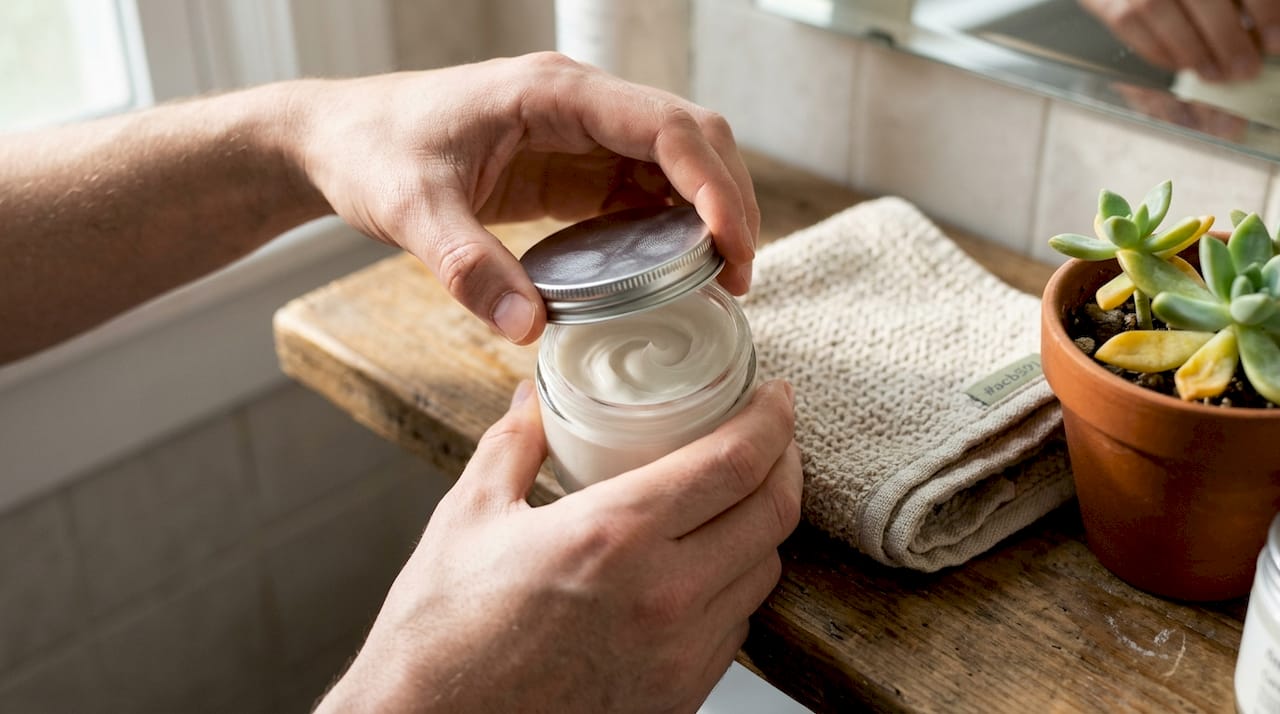
The skin barrier benefits of lipid-based moisturizers are well documented. Clinical research on barrier creams formulated with lipids and natural moisturizing factor (NMF) components shows striking results:
| Marker | Baseline | After treatment | Improvement |
|---|---|---|---|
| Filaggrin production | Low | Increased | +77% |
| Hyaluronic acid levels | Depleted | Restored | +157% |
| Skin lipid content | Reduced | Replenished | +30% |
| TEWL (water loss) | High | Significantly reduced | Measurable decline |
These numbers are not abstract. Filaggrin is a structural protein that holds the barrier together. Hyaluronic acid holds water within skin tissue. When both improve, skin feels and behaves more resilient. It stops reacting to minor environmental triggers the way it previously did.
The Delphi consensus of dermatologists on dry and sensitive skin care, drawn from 80 or more specialists, consistently places ceramides, niacinamide, and petrolatum at the top of the recommended ingredient list. This consensus exists because the evidence is clear and reproducible across diverse sensitive skin populations.
Barrier lipids work best as a combination, not in isolation:
- Ceramides restore the structure between skin cells.
- Cholesterol regulates permeability and controls what enters or exits skin.
- Fatty acids (linoleic acid, oleic acid) fill gaps in the lipid matrix, keeping it supple and intact.
“The skin barrier isn’t a single layer you can fix with one ingredient. It’s a complex lipid matrix that needs a balanced ratio of ceramides, cholesterol, and fatty acids to function properly.”
A lipid-dense moisturizer that incorporates all three barrier lipid types does far more for sensitive skin than any single-ingredient serum targeting only hydration. If your routine currently lacks lipid replenishment, that’s likely where the sensitivity originates.
For an additional layer of support, a ceramide support essence applied before your moisturizer can help prep the skin to receive and retain lipids more effectively. Snail mucin, in particular, contains glycoproteins and peptides that complement ceramide delivery. Ceramide recommendations from dermatologists consistently emphasize applying lipid-based products on slightly damp skin to maximize penetration.
Humectants: Hyaluronic acid and glycerin for gentle hydration
Barrier lipids provide the foundation, but hydration is just as critical. Enter humectants, ingredients that draw water from the environment or deeper skin layers into the outermost cells. For sensitive skin, the key is that humectants hydrate without triggering inflammation, making them some of the most universally tolerable actives available.
Hyaluronic acid and glycerin are the gold standard humectants for barrier-compromised skin. Neither has a sensitization profile. Both improve hydration measurably, and both work in synergy with lipid-based moisturizers to create what researchers call the “occlusion-humectant layering effect,” where the humectant draws moisture in and the lipid layer prevents it from escaping.
Hyaluronic acid deserves a closer look. It’s not a single molecule. It exists in multiple molecular weights, and each behaves differently:
- High molecular weight HA sits on the surface of skin, forming a moisture-retentive film that gives immediate plumping and comfort.
- Low molecular weight HA penetrates deeper into the epidermis, providing longer-lasting internal hydration.
- Hydrolyzed HA is the most accessible form for topical absorption and is commonly used in barrier-repair serums.
Glycerin, often underestimated because it sounds basic, is clinically documented to improve both water content in the stratum corneum (the outermost layer) and skin elasticity. It’s also an NMF component, meaning it naturally occurs in healthy skin, which explains why skin tolerates it so well.
Here’s what to look for in humectant-based products:
- Hyaluronic acid listed within the first 10 ingredients for meaningful concentration.
- Glycerin present alongside barrier lipids, not as a standalone active in a water-heavy formula.
- Panthenol (vitamin B5) works alongside humectants to soothe and reinforce barrier integrity.
- Aloe vera can support hydration but always check if it’s a whole-leaf extract, which contains aloin, a known irritant.
- No humectant combined with high-dose AHAs in the same formula, as the increased penetration from humectants amplifies acid irritation.
Pro Tip: Apply your humectant serum or essence while your skin is still slightly damp after cleansing. The humectant binds to that surface water and pulls it into the skin rather than drawing moisture upward from deeper tissue, which can paradoxically dry out sensitive skin in low-humidity environments.
A hydrating face duo that pairs a gentle cleanser with a humectant-rich formula ensures the hydration cycle stays intact from cleanse to moisturize. For full body hydration with the same ingredient philosophy, a body hydration balm built around humectants and barrier-supportive lipids treats reactive skin from head to toe without switching your standards.
Mineral sunscreen and situational actives: Protection without irritation
Hydration complete, it’s time to secure protection and consider actives for targeted improvement without risking irritation. Sunscreen is the most important protective step in any skincare routine, but for sensitive skin, the type of sunscreen matters enormously.
Mineral sunscreens use physical UV filters, primarily zinc oxide and titanium dioxide, that sit on top of skin and reflect UV rays rather than absorbing them. Chemical sunscreens use organic molecules (oxybenzone, avobenzone, octinoxate) that absorb UV radiation and convert it to heat. For reactive skin, the distinction is significant. Zinc oxide protects without irritation and has an anti-inflammatory effect, actually helping reduce redness over time rather than aggravating it.
| Feature | Mineral sunscreen | Chemical sunscreen |
|---|---|---|
| Active filters | Zinc oxide, titanium dioxide | Oxybenzone, octinoxate, avobenzone |
| Mechanism | Reflects UV rays | Absorbs UV rays, converts to heat |
| Irritation risk | Very low | Moderate to high |
| Reef safety | Generally reef-safe | Often not reef-safe |
| Skin feel | May leave slight white cast | Lightweight, invisible finish |
| Best for | Sensitive, reactive skin | Normal to oily skin |
When it comes to actives like retinoids and niacinamide, the evidence is positive but the approach matters. Retinoids are effective long-term for skin renewal, but they are genuinely irritating at first, especially for barrier-compromised skin. Starting low and slow is not optional, it’s necessary.
Here’s how to introduce actives safely into a sensitive skin routine:
- Stabilize your barrier first. Spend four to six weeks on purely barrier-supportive products before adding any active.
- Choose low concentrations. Start with 0.025% retinol or a retinaldehyde formula rather than prescription-strength retinoids.
- Buffer the active. Apply moisturizer first, then the active on top to slow absorption and reduce irritation.
- Use actives every third night initially. Gradually increase frequency as tolerance builds over several weeks.
- Never layer multiple actives at once. Retinoids and vitamin C together, or retinoids and exfoliating acids, dramatically increase irritation risk.
Niacinamide deserves special mention. It functions as both an anti-inflammatory and a barrier-strengthening ingredient, regulating sebum, reducing hyperpigmentation, and improving lipid production. It’s one of the most compatible actives for sensitive skin when used in concentrations between 2% and 5%.
A well-designed skincare routine for sensitive skin sequences these steps correctly, starting with a gentle face cleanser and building through humectants, lipids, and protective finishing layers. Explore non-irritating alternatives to common harsh actives if your skin is particularly reactive even to low concentrations.
Pro Tip: Always patch-test any new active on the inner wrist or jawline for 72 hours before applying to the full face. Even niacinamide, well tolerated by most people, occasionally causes flushing or breakouts when introduced too quickly.
The uncomfortable truth about sensitive skin ingredient lists
Here’s something most ingredient guides won’t tell you: the skincare industry’s obsession with adding more has genuinely harmed people with sensitive skin. Products with 30-plus ingredient lists, stacked with trendy botanical extracts, probiotics, peptides, and acids, are often more reactive than simpler formulations. When something goes wrong, you can’t isolate the trigger.
The real problem is how “sensitive skin” has been commercialized. Brands slap the label on products that contain dozens of fragrant plant extracts because those extracts are natural. But your immune system doesn’t distinguish between natural and synthetic when it recognizes an allergen. It reacts. And for sensitive skin, that reaction can persist for weeks.
Dermatologist consensus consistently prioritizes ceramides, humectants, and emollients over actives precisely because this approach reduces risk without sacrificing results. The brands doing this well share a common philosophy: they build formulas around the barrier first, not around trend ingredients.
Transparency is the most underrated quality in sensitive skin care. A brand that lists every ingredient, explains why it’s included, and designs products around skin biology rather than marketing trends is far more trustworthy than one competing on novelty. Our view at Equanimist is that your skin benefits most from a streamlined, intentional routine built on barrier repair products that do exactly what they claim. Fewer products, higher standards, and absolute ingredient clarity beat a 12-step routine full of unknowns every time.
Find premium barrier-supportive solutions with Equanimist
If this article has shifted how you think about sensitive skin ingredients, the next step is finding products that live up to these standards.
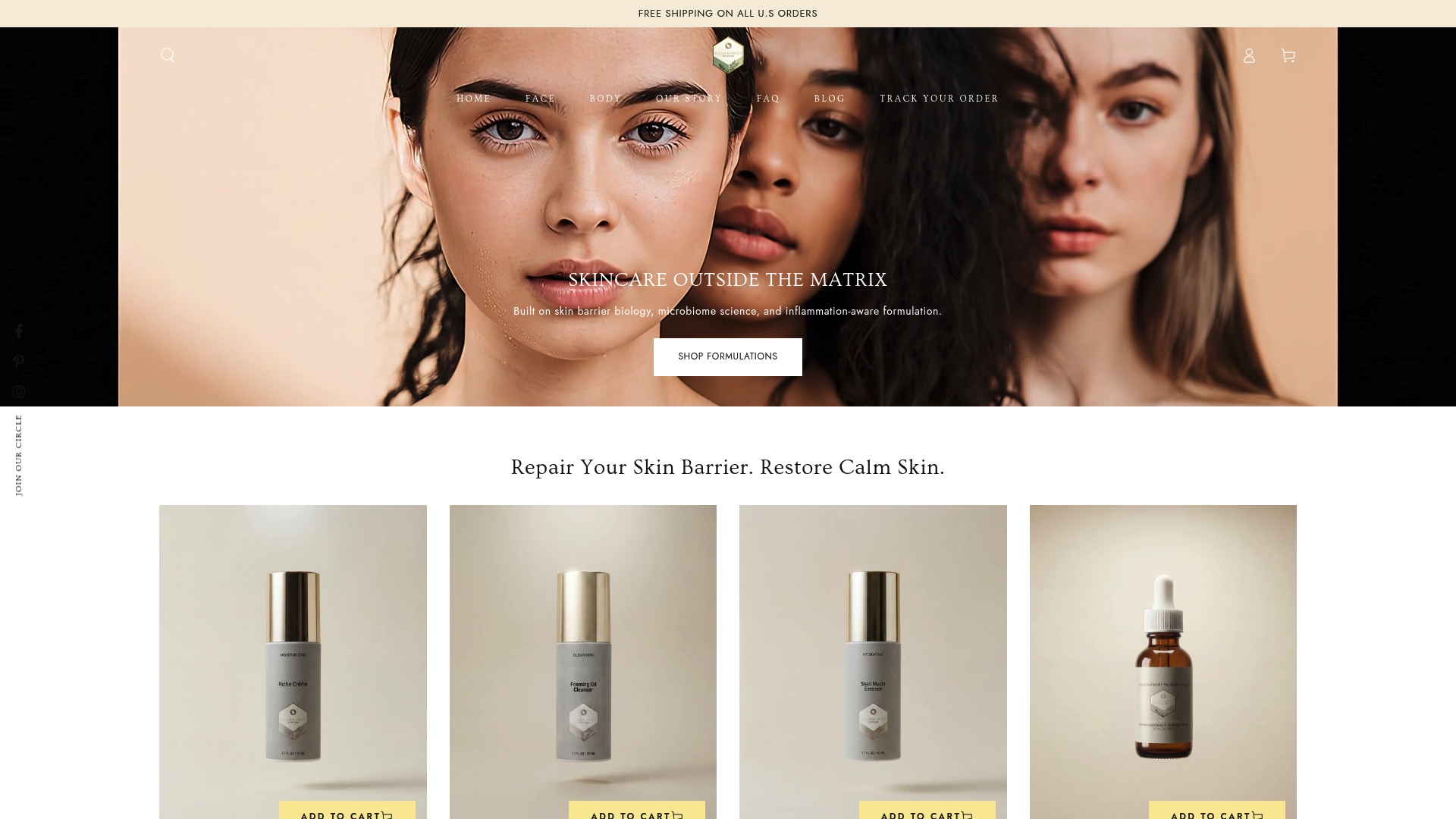
At Equanimist, every formula starts with the barrier. Our face care collection is built around the exact criteria covered here: ceramides, humectants, barrier lipids, and full ingredient transparency. No synthetic fragrances. No harsh actives. No filler ingredients hiding behind proprietary blends. The snail mucin essence delivers glycoprotein-rich barrier support between cleansing and moisturizing, while the riche crème moisturizer provides dense lipid replenishment for even the most reactive skin. Every product is small-batch, cruelty-free, and made in the USA with ingredients you can actually read and research.
Frequently asked questions
Are ceramides safe for all sensitive skin types?
Yes, ceramides are generally safe and well-tolerated across all sensitive skin types, actively restoring barrier function and reducing the irritation that comes from a weakened lipid matrix. Clinical and dermatologist consensus consistently places ceramides among the safest and most effective ingredients for compromised skin.
Should I avoid all essential oils if I have sensitive skin?
It’s best to avoid essential oils in your daily routine, even those described as natural, because they are among the most common causes of contact sensitization in people with reactive skin. Fragrance and botanical sensitizers including lavender, eucalyptus, and citrus oils can trigger cumulative reactions that worsen over time.
What is the difference between mineral and chemical sunscreens for sensitive skin?
Mineral sunscreens like zinc oxide sit on the skin’s surface and reflect UV rays, offering protection with very low irritation risk, while chemical sunscreens absorb UV and convert it to heat, which can cause stinging and redness in sensitive skin. Zinc oxide’s anti-inflammatory properties make it the preferred choice for barrier-compromised skin types.
Is niacinamide safe for sensitive skin?
Niacinamide is well regarded for sensitive skin at concentrations between 2% and 5%, where it supports barrier function and reduces inflammation without significant irritation risk. A dermatologist consensus panel of over 80 specialists rates it highly for dry and sensitive skin, though starting with lower concentrations and patch-testing remains the safest approach.
How can I tell if a product is truly suitable for sensitive skin?
Look for a short, transparent ingredient list built around barrier repair actives like ceramides, glycerin, and emollients, with no fragrances, sulfates, or alcohols present. Prioritizing simplicity and barrier support over trendy actives is the clearest indicator that a formula was genuinely designed with sensitive skin in mind.


