


Picking skincare when your skin flares at the slightest provocation is genuinely stressful. You scan ingredient lists, cross-reference reviews, buy the product anyway, and still wake up red and itchy. Sound familiar? The problem is that most mainstream formulas are built for average skin, not skin that reads every new ingredient as a threat. Choosing products for sensitive skin means filtering by three non-negotiable criteria: proven safety, minimal ingredient lists, and active barrier support. Everything below is selected against those standards, so you can stop guessing and start seeing real results.
Table of Contents
- How to identify must-have products for sensitive skin
- Cleansers: Starting with a gentle foundation
- Top-performing moisturizers for barrier support
- Sunscreens and calming extras: Complete daily defense
- How to customize your sensitive skin routine
- What most sensitive skin advice gets wrong
- Ready for happier, healthier skin?
- Frequently asked questions
Key Takeaways
| Point | Details |
|---|---|
| Keep it simple | A minimal, evidence-based routine lowers your risk of irritation. |
| Barrier is everything | Choose moisturizers and sunscreens that reinforce and protect your skin’s natural shield. |
| Layer with care | Patch test and add new products one at a time to track reactions. |
| Blend organics and science | Pair soothing botanicals with proven synthetic ingredients for best results. |
How to identify must-have products for sensitive skin
Sensitive skin is not just a feeling. It’s a physiological state where the skin barrier lets irritants in more easily, triggers inflammation faster, and takes longer to settle down. That means the stakes for choosing the wrong product are higher than they are for someone with resilient skin.
Dermatologists start their selection process with one firm rule: if a product contains fragrance, synthetic or natural, it goes back on the shelf. Fragrance-free cleansers are essential for sensitive skin because fragrance is the leading cause of cosmetic contact dermatitis. Beyond fragrance, watch for alcohol, sodium lauryl sulfate, and unnecessary preservatives.
On the “yes” side, experts point to a short list of well-tolerated actives:
- Ceramides: Reinforce the lipid structure of the barrier
- Hyaluronic acid: Draws water into the skin without causing reactions
- Niacinamide: Calms redness and supports barrier function
- Colloidal oatmeal: Soothes inflammation and is FDA-recognized as a skin protectant
Dermatologist-recommended ingredients like ceramides, hyaluronic acid, niacinamide, and colloidal oatmeal appear across virtually every expert-backed list for good reason. They are among the most studied and least reactive options available.
When it comes to organics versus synthetics, the most effective approach is not picking a side. Organic botanicals like calendula and chamomile offer genuine soothing properties, while lab-derived ceramides deliver structural repair with high consistency. Combining both, thoughtfully, gives you the widest coverage.
“Keep your regimen minimal. Every new product is a new variable, and fewer variables mean fewer reactions.”
Pro Tip: When starting gentle skincare routines, stick to three steps maximum for the first four to six weeks. Only add products once your skin has clearly stabilized.
Cleansers: Starting with a gentle foundation
Now that you know the criteria, let’s break down the list starting with the first step in any routine.
Your cleanser either sets your skin up for success or begins a cascade of irritation. Most cleansers on drugstore shelves use sulfate surfactants that strip your acid mantle and leave skin feeling tight. For sensitive types, that tightness is a sign of barrier damage, not cleanliness.
The best cleansers for sensitive skin share a few key features:
- Sulfate-free or very mild surfactant blend
- Fragrance-free and dye-free
- pH-balanced (ideally between 4.5 and 5.5)
- Non-foaming or low-foam formula
Fragrance-free, gentle cleansers are essential for avoiding barrier stripping, which is why picks like CeraVe Hydrating Cleanser and Vanicream Gentle Facial Cleanser consistently rank at the top of expert lists. Both are non-foaming, preserve the skin’s natural oils, and rinse off without leaving residue.
For those who wear makeup or sunscreen, gentle oil cleansers offer a smart alternative. Oil-based formulas dissolve sebum and product buildup without disturbing the barrier. They emulsify with water and rinse cleanly, making them ideal for a first-cleanse step.
How you cleanse matters as much as what you use. Use lukewarm water, never hot. Spend no longer than 60 seconds massaging the product in. Pat dry with a clean towel rather than rubbing. These small habits prevent micro-irritation that accumulates into chronic redness over time.
Pro Tip: Splash your face with cool water after rinsing off cleanser. It temporarily tightens pores and feels calming on reactive skin, especially after a warm shower.
Top-performing moisturizers for barrier support
With cleansing covered, the next step is locking in moisture and repairing your vulnerable skin barrier.
A good moisturizer for sensitive skin does three things: seals in water, rebuilds the lipid barrier, and reduces transepidermal water loss (TEWL). TEWL is the rate at which water passively evaporates through your skin. When that rate is high, skin becomes dry, tight, and reactive.
Barrier-repair moisturizers with ceramides, hyaluronic acid, niacinamide, and colloidal oatmeal are must-haves in any sensitive skin routine. What’s worth knowing is that synthetically derived ceramides, while not “natural,” are molecularly identical to those your skin produces. Lab-derived ceramides often outperform some natural alternatives in clinical benchmarks, but organic ingredients help minimize exposure to synthetic irritants in the rest of the formula.
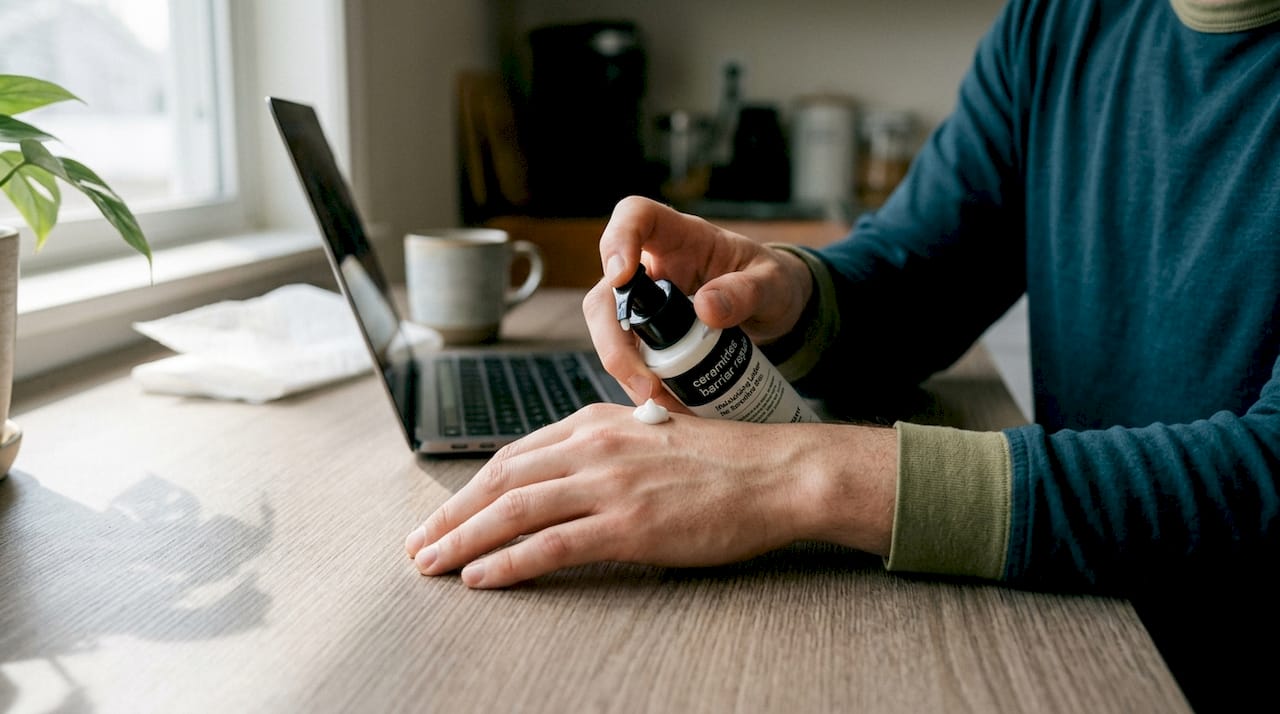
Here’s how leading moisturizers compare:
| Product | Key actives | Texture | Best for |
|---|---|---|---|
| Vanicream Moisturizing Cream | None (occlusive base) | Rich, creamy | Very dry, reactive skin |
| CeraVe Moisturizing Cream | Ceramides, hyaluronic acid | Medium, non-greasy | Daily all-skin use |
| La Roche-Posay Toleriane | Ceramides, niacinamide | Lightweight | Oily-sensitive combo |
| Equanimist Riche Crème | Organic ceramide sources, botanicals | Rich, barrier-first | Sensitive, barrier-depleted skin |
For best results, follow this layering order:
- Apply a hydrating serum or essence while skin is still slightly damp
- Press in hydrating essence boosters to flood the skin with humectants
- Seal everything in with the Riche Crème Moisturizer as your final barrier-sealing layer
Pro Tip: Apply your moisturizer within 60 seconds of rinsing off your cleanser. This is called the “damp skin” window, and it dramatically boosts how much hydration gets locked in.
Sunscreens and calming extras: Complete daily defense
So far, we’ve covered the foundation; let’s round out your routine with essential daily protection and soothing solutions.
Skipping sunscreen is never an option for sensitive skin. UV exposure degrades ceramides in the barrier, worsens inflammation, and triggers post-inflammatory redness that can take weeks to fade. The safest choice for reactive skin is always a mineral formula.
Mineral sunscreens like La Roche-Posay Anthelios, EltaMD UV Clear, and Aveeno Positively Mineral are critical daily for sensitive skin protection. Zinc oxide sits on top of skin and reflects UV rather than absorbing it, which is why it rarely causes the stinging or burning that chemical filters can.
Beyond SPF, a few targeted extras can make a real difference:
- Hypochlorous acid sprays: Antimicrobial and intensely calming, great for reactive flares
- Calendula extract: A clinical study found improved hydration and reduced TEWL in subjects using topical calendula
- ALA-DAG oil: In a randomized controlled trial, ALA-DAG supplementation increased skin hydration, reduced itchiness and redness, and lowered IgE levels
- Chamomile and aloe: Broad-spectrum soothing with centuries of use and modern validation
“If your skin still feels reactive after a solid cleanser and moisturizer, a calming botanical extra often bridges the gap that actives alone can’t.”
To build your complete skincare kit, think of sunscreen and soothing extras as your defensive outer layer, working together with your cleanser and moisturizer to keep the barrier intact around the clock.
How to customize your sensitive skin routine
With all must-haves introduced, it’s time to focus on adapting your choices for your specific needs.
Building a routine that works means putting the right products in the right order at the right time of day. Mornings call for protecting; evenings call for repairing.
Follow this framework to get started:
- Morning: Gentle cleanser, barrier moisturizer, mineral SPF
- Evening: Gentle cleanser (or oil cleanser first, then a second cleanse), barrier moisturizer, calming extra if needed
- Weekly: Patch test any new product on your inner forearm for 48 hours before applying to your face
- Monthly: Review your routine and remove anything you can’t clearly credit with a benefit
Minimal routines with just cleanse, moisturize, and SPF are consistently recommended for good reason. Every additional product raises the chance of a cumulative reaction, even if each one is individually safe.
Patch testing is especially critical for botanicals. Natural ingredients like essential oils, tree extracts, and plant-based actives can be potent allergens for some people. Always test on a small patch of skin before committing to full-face application.
If you notice persistent redness, swelling, or breakouts that do not resolve within two weeks of simplifying your routine, see a dermatologist. Some reactions signal conditions like rosacea or eczema that need targeted treatment beyond over-the-counter products.
Pro Tip: Keep a product journal. Note what you used, when, and how your skin responded. Patterns emerge quickly, and you’ll know within a month which products are earning their place in your routine.
What most sensitive skin advice gets wrong
Here is the uncomfortable truth: most sensitive skin guides push you toward either pure naturals or clinically proven synthetics, as if you have to pick a team. We’ve watched this create real frustration for people who try a fully natural routine and still react, or follow a clinical protocol and feel like they’re treating their skin as a chemistry experiment.
The people whose skin genuinely improves over time are almost always using a hybrid approach. They use a gentle, lab-tested cleanser and pair it with a botanical-rich moisturizer. They apply a proven SPF and reach for a calendula spray when something flares. Neither dogma alone does the job.
The other mistake we see constantly is piling on too many products at once, even gentle ones. Overloading the skin disrupts its microbiome and its ability to regulate itself. Minimalist routines consistently outperform complicated ones for reactive skin types, not because they lack efficacy, but because they reduce the total irritant load on skin that is already working too hard to stay balanced.
Patch testing and product journaling are not optional extras. They are the difference between progress and frustrating guesswork.
Ready for happier, healthier skin?
You now have a clear framework: choose fragrance-free, barrier-supportive products with proven actives, keep your routine minimal, and patch test everything new. The next step is finding products that actually live up to those standards without compromise.
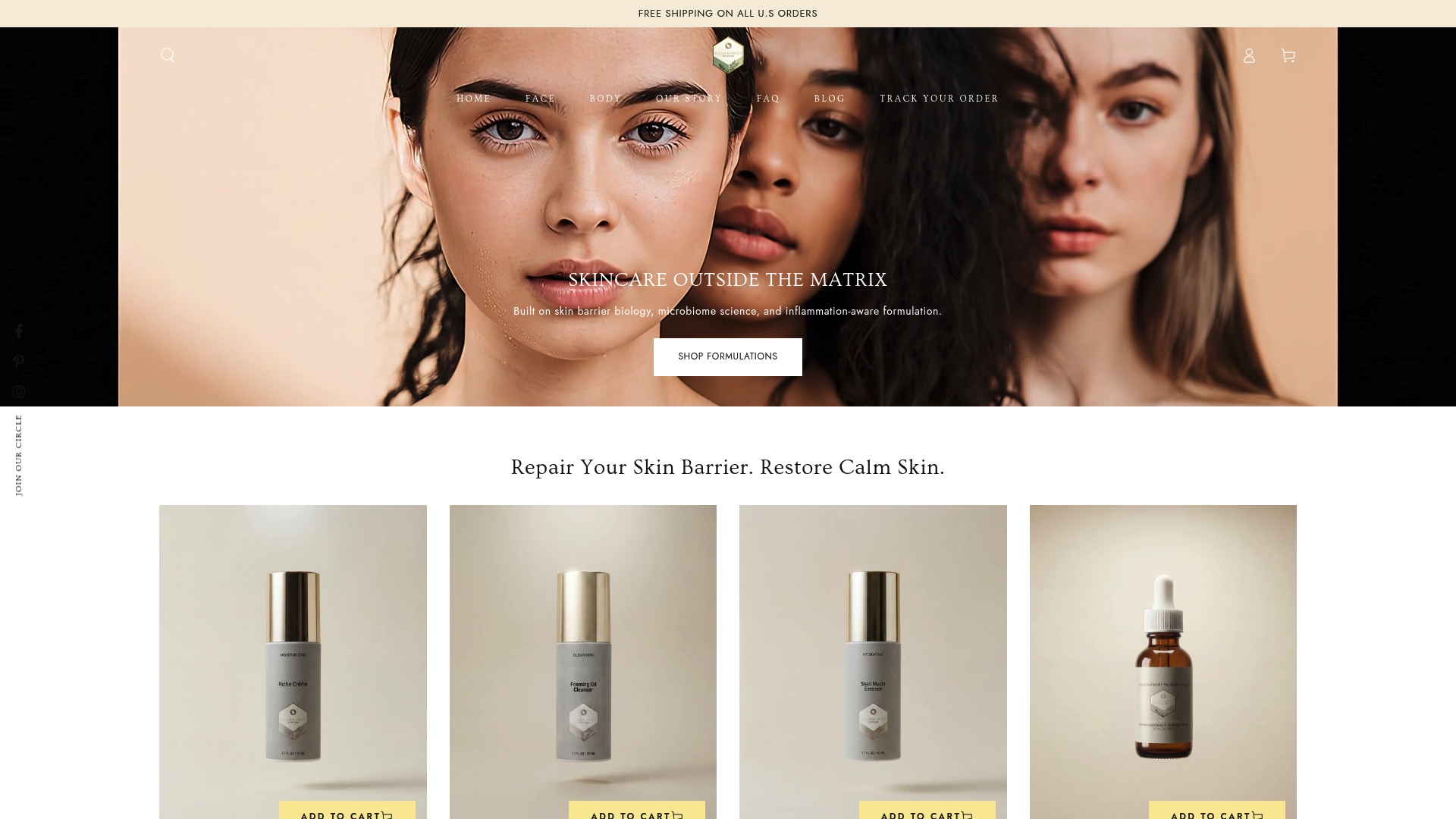
At Equanimist, every formula is built around barrier biology and microbiome science, made in the USA with fully transparent organic ingredients and zero harsh actives. Whether you’re starting from scratch or refining what already works, you can explore our face care essentials for a curated starting point, visit our organic barrier repair collection for the full range, or grab the complete skincare routine to take the guesswork out entirely. Gentle, effective, and honestly made.
Frequently asked questions
What ingredients should be avoided by sensitive skin types?
Avoid fragrances, harsh surfactants like SLS, alcohol, and unnecessary essential oils, as these can trigger irritation and redness. Fragrance-free products are a non-negotiable starting point for reactive skin.
Can organic skincare ingredients cause reactions in sensitive skin?
Yes, even natural botanicals can trigger irritation; always patch test new organic products before using them on your face. Natural ingredients like essential oils are among the most common culprits for unexpected reactions.
How quickly can moisturizers improve sensitive, irritated skin?
You may notice reduced dryness and improved comfort within a few days when using barrier-repair moisturizers with ceramides, hyaluronic acid, or colloidal oatmeal.
Is mineral sunscreen really safer for sensitive skin than chemical filters?
Yes, mineral formulas with zinc oxide or titanium dioxide protect without causing the burning or stinging common with chemical filters. Mineral SPF options like La Roche-Posay Anthelios and EltaMD are reliably well-tolerated.
What’s the best routine for sensitive skin beginners?
Start with three steps: gentle cleansing, barrier-supportive moisturizing, and daily mineral sunscreen. Minimal routines reduce cumulative irritant exposure and give your skin room to stabilize before you add anything new.
Recommended
- Face Care Products - Nourish and Revitalize Your Skin Collection – Equanimist
- Foaming Oil Face Cleanser for Gentle Cleansing and Radiant Skin - Equanimist
- Body Essentials Collection for Radiant Skin Care and Elevation – Equanimist
- Barrier Repair Skincare with Organic Ingredients | Equanimist
- 7 Essential Items for a Sensitive Skin Product List
- 6 Best Practices for Sensitive Skin: Gentle Anti-Aging Tips – Cellure


